
Why driving in Sri Lanka is unique
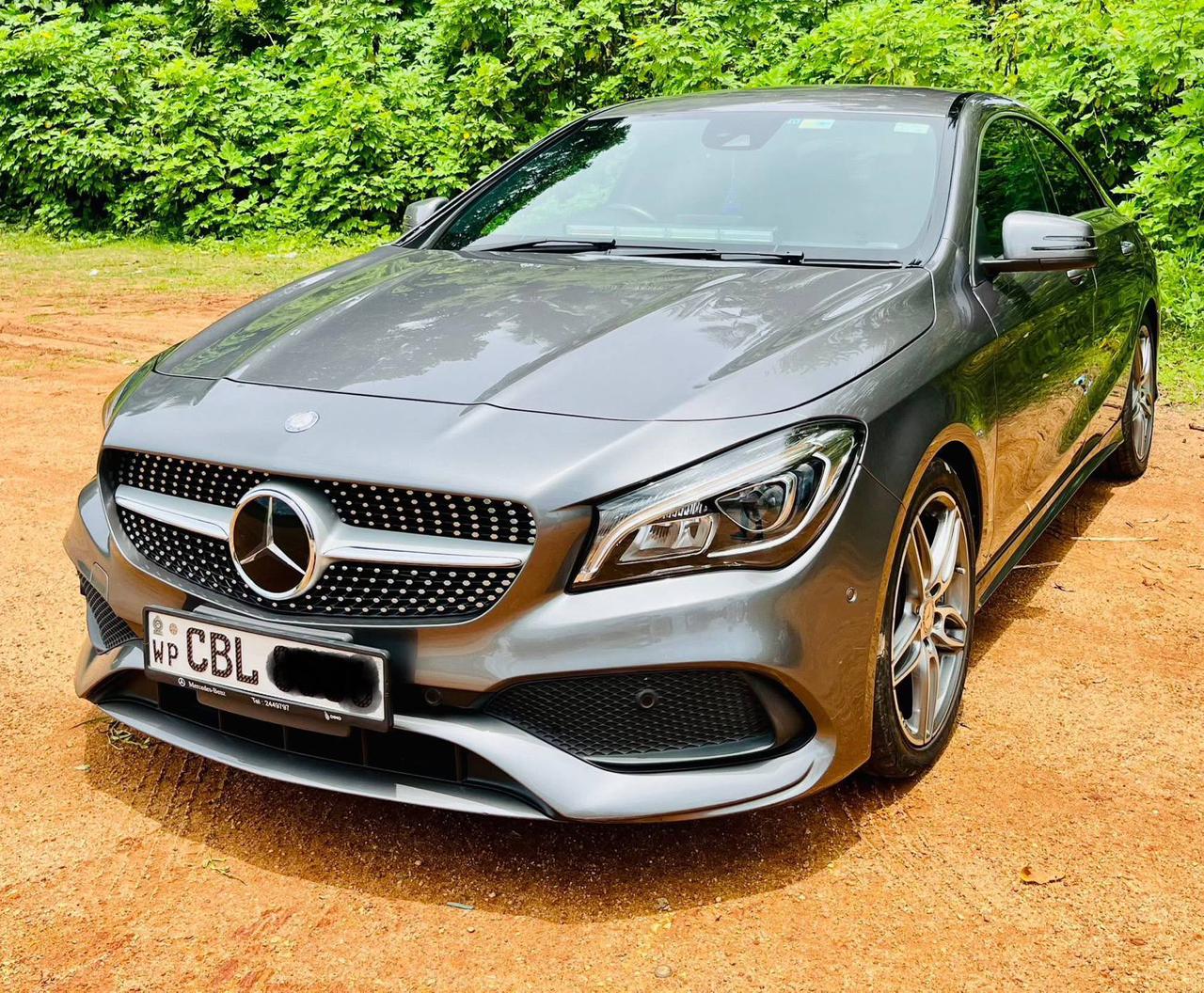
About Driving in Sri Lanka
Driving in Sri Lanka is one of the best ways to explore the island’s diverse landscapes — from bustling cities to scenic coastal roads and mountain passes. At Lanka Rent A Car Holdings Pvt. Ltd, we help our clients understand the essentials, ensuring every journey is safe, enjoyable, and hassle-free.
100%
Driving License Assistance → We guarantee support for IDP validation or local permit conversion.
95%
Hassle‑Free Tours → Our team ensures stress‑free journeys across the island.
90%
Road Safety Awareness → Our chauffeurs are trained to handle Sri Lanka’s unique traffic culture.
100%
Smooth Highway Travel → Guidance on expressways, tolls, and speed limits.
At Lanka Rent A Car Holdings Pvt. Ltd, we make driving in Sri Lanka simple and safe. From license arrangements to local traffic guidance, our team is dedicated to ensuring your journey is smooth, enjoyable, and stress-free.
Sri Lanka Driving License Permit
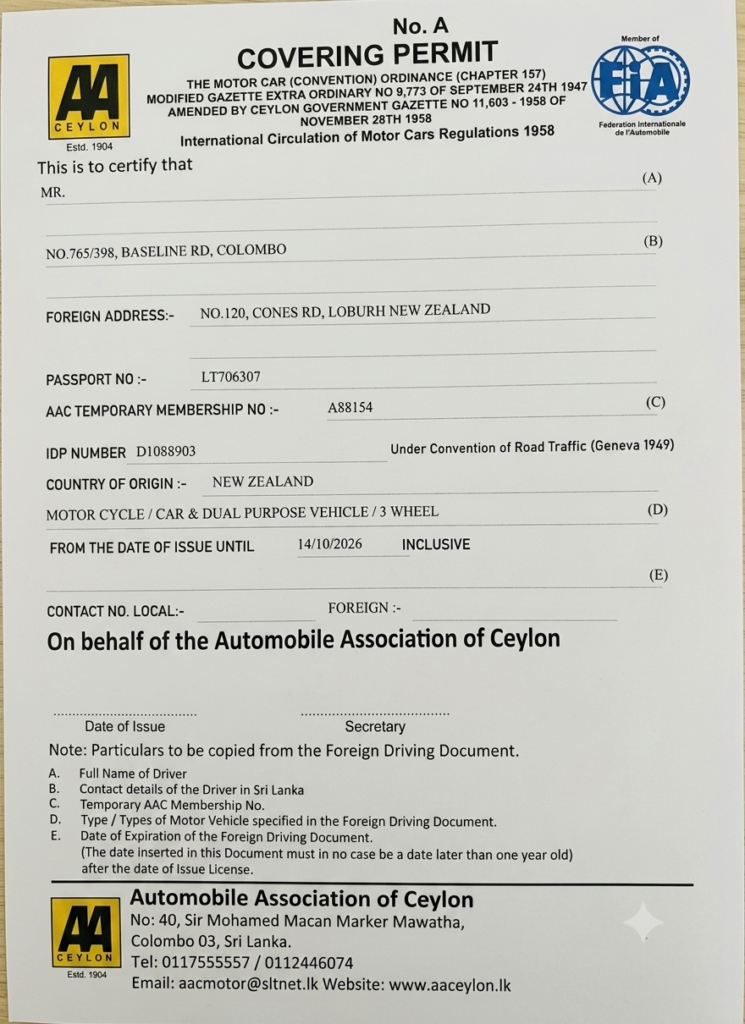
Why a Local Driving Permit is Required?
THE LAW;
In Sri Lanka, foreign visitors cannot legally drive with only their International Driving Permit (IDP) or home country license. The law requires a local driving permit issued by the Department of Motor Traffic. This applies whether you arrive with an IDP or a valid foreign license.
WHAT WE DO;
Lanka Rent A Car Holdings Pvt. Ltd, we guarantee 100% assistance with this process. If you already have an IDP, we will validate it and arrange the local permit quickly. If you only have your country license, we guide you through the conversion process upon arrival — often directly at the airport — so you can start your journey without delays
HOW WE HANDLE;
Our team handles all paperwork and coordination, ensuring a hassle-free experience. This way, you can focus on enjoying your trip while we take care of the legal requirements.
Sri Lankan Road Conditions
Sri Lanka offers a smooth and modern road system
that connects major cities, airports, and tourist destinations. The country has invested heavily in highways and expressways, making long-distance travel faster and more comfortable. At the same time, rural routes provide scenic drives through villages, tea plantations, and coastal areas.
🚦 The Road System & Quality
Sri Lanka’s roads are generally categorized into three main types:
- Expressways (E-Grade): These are modern, multi-lane toll highways (e.g., the Southern Expressway linking Colombo (Airport) to Galle/Matara/Hambantota). They are well-maintained, highly efficient, have strict speed traps, and cut down travel times drastically. Note: Tuk-tuks, motorcycles under 150cc, and pedestrians are banned on expressways.
- National Highways (A & B-Grade): These are paved major roads connecting cities. Most are in good condition, though they are usually only one or two lanes wide. Traffic can be dense, and you will share the road with buses, cars, tuk-tuks, scooters, and pedestrians.
- Rural & Mountain Roads: In the Hill Country (like Nuwara Eliya or Ella) or deep rural areas, roads can be narrow, winding, and steeply inclined.
Important Infrastructure Update: Some mountainous rural areas and train lines experienced landslides or infrastructure damage following severe weather patterns. While major city routes are completely open and functional, localized repairs on specific hillside secondary roads might cause brief detours.
🏎️ Essential Rules & Guidelines
Seat Belts & Mobile Phones: Seat belts are strictly mandatory for front-seat passengers (and all passengers when driving on expressways). Using a mobile phone without a hands-free device is illegal and heavily fined.
Drive on the Left: Sri Lanka follows the British system—vehicles drive on the left side of the road, and steering wheels are on the right.
Speed Limits:
Urban/Built-up areas: 50 km/h
Rural/Open roads: 70 km/h
Expressways: 100 km/h
The Horn is Mandatory Language: Unlike in Western countries where a car horn signifies anger, in Sri Lanka, it is used continuously as a polite warning tool. Drivers honk to mean “I am overtaking you,” “I am at your blind spot,” or “Thank you.”
⚠️ Key Road Conditions & Challenges
- Bus Dominance: Public and private buses move very fast and aggressively. They frequently pull out or overtake without warning. Rule of thumb: Always yield to oncoming or overtaking buses, even if you technically have the right of way.
- Night Driving Risks: Driving at night outside major cities is highly discouraged for tourists. Many rural roads lack street lighting, and you may encounter unlit vehicles (like older agricultural tractors or tuk-tuks), pedestrians walking on the shoulder, or wildlife.
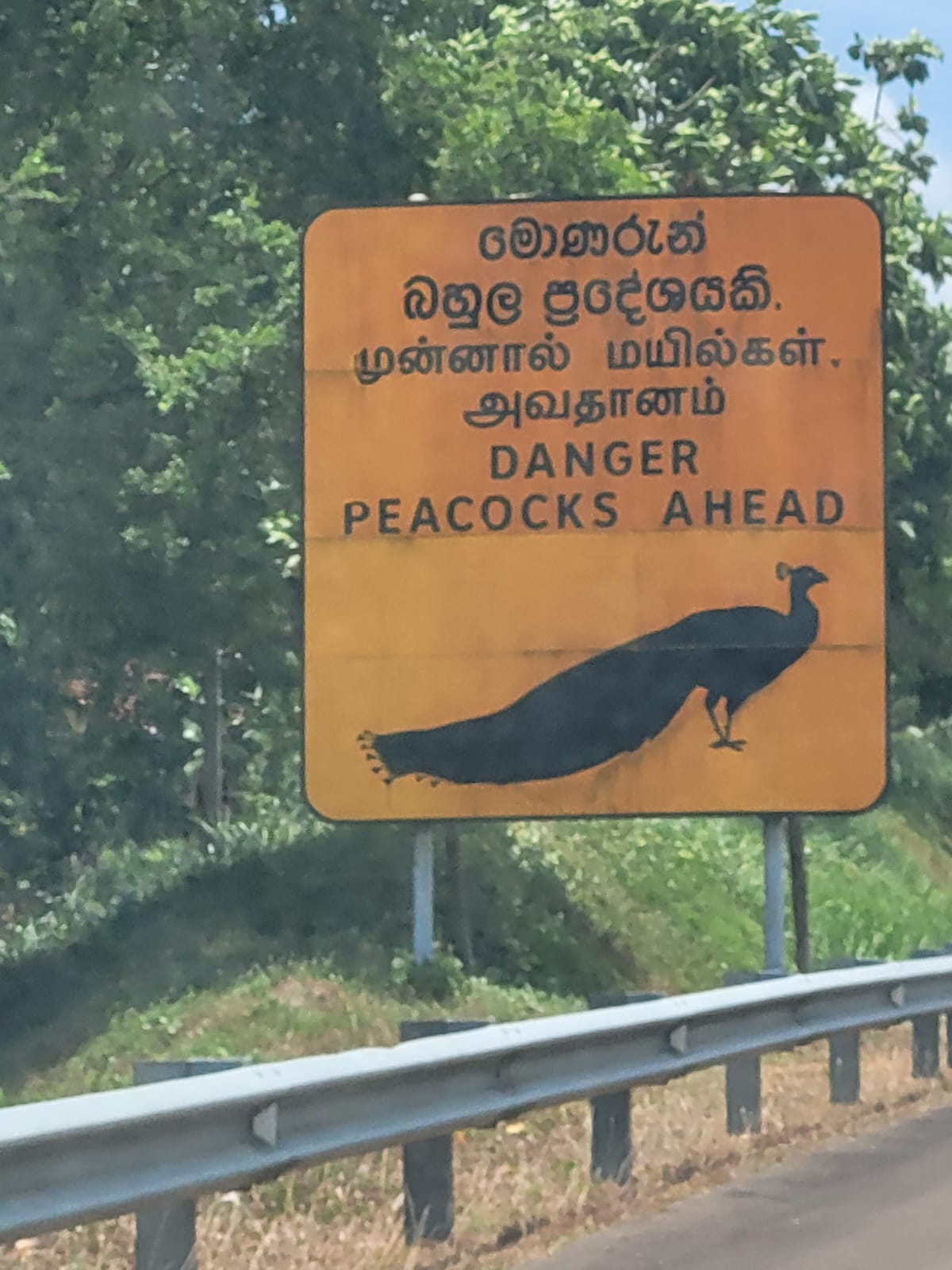
- Unexpected Wildlife: In rural and northern/eastern regions, it is incredibly common for stray dogs, cattle, and even wild elephants to leisurely cross national roads. Keep your eyes sharp!
🪪 Legal Requirements for Foreign Drivers
You cannot legally drive in Sri Lanka using only your home country’s driving license or a standard International Driving Permit (IDP).
To legally drive a rental car or a tuk-tuk, you must obtain a Sri Lankan Recognition Permit processed by the Automobile Association of Ceylon (AAC) or a Temporary Driving License from the Department of Motor Traffic (DMT). Driving without this local validation can result in heavy police spot-fines and will completely invalidate your vehicle insurance policy. We can cover for the license as ment